When using the term “disabilities” in skiing, the mind immediately goes towards physical disabilities. And while yes, the term does apply to physical disabilities, it also applies towards those with special needs and mental disabilities. Those athletes with cognitive disabilities often require the same amount of care and special attention, as those athletes with physical disabilities. Skiing is a scary activity! It requires a person to have focus, bravery. For those with special needs, new experiences and stepping out of what they know can be terrifying. Here how accessibility can be used towards the athletes with these disabilities.
Autism: Autism is a rather common disorder, as 1 in 36 children receive the diagnosis. There is a spectrum, and it is much more visible in some people than others. A person with autism may find it hard to understand someone else’s thoughts and feelings, get overstimulated very easily by things like bright colors and loud noises, get uncomfortable in new situations, and take a bit longer to understand information. Skiing can be a very overstimulating sport with all the snow, noises from the chairlifts, and all the people everywhere. On top of that it is full of unfamiliar experiences, which can be challenging for a person with autism. Accessibility in skiing for those with autism looks like taking breaks when overstimulated, having a quiet place to go inside the lodge, and preparing the person beforehand (ex. Putting the equipment on beforehand, showing pictures of the slopes, etc.)
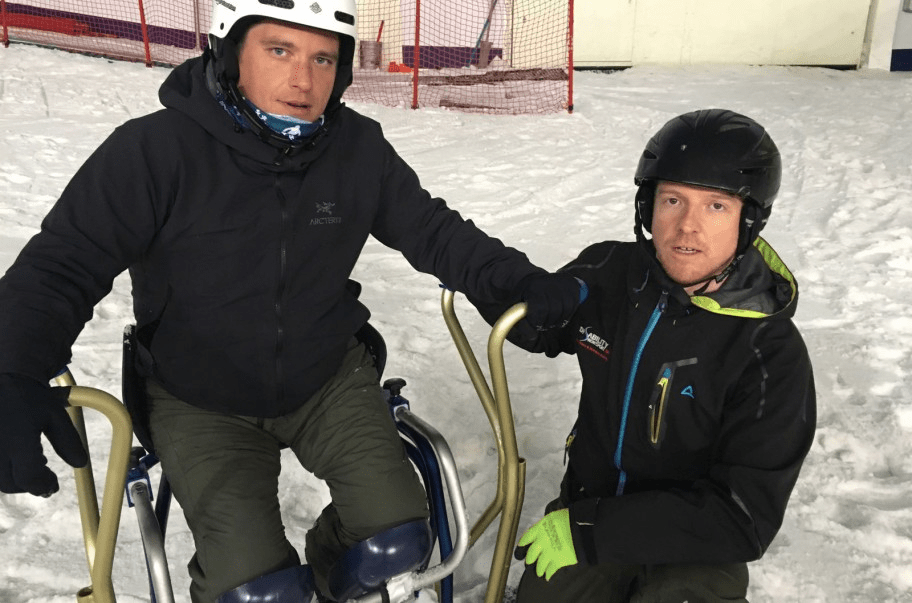
Down Syndrome: Down Syndrome is a condition in which a person is born with an extra chromosome. A person with down syndrome has physical distinctions, and intellectual disabilities. Physical distinctions meaning things such as a flattened skull, shortened stature, and distinct facial appearance. Intellectual disabilities consist meaning it may take a person with down syndrome longer to learn new things, and new skills may need to be broken up into smaller steps. Fortunately, this can be done rather easily in skiing! Steps may need to be explained in simpler terms, and more steps may need to be taken. This is why accessibility in skiing is so important.
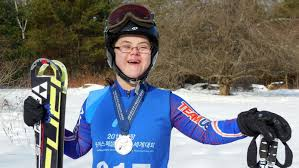
There are so many more different special needs conditions within adaptive skiing, but these are just a few. It is important to recognize that accessible skiing applies to those with all disabilities and needs, not just those with visible disabilities.


Leave a Reply